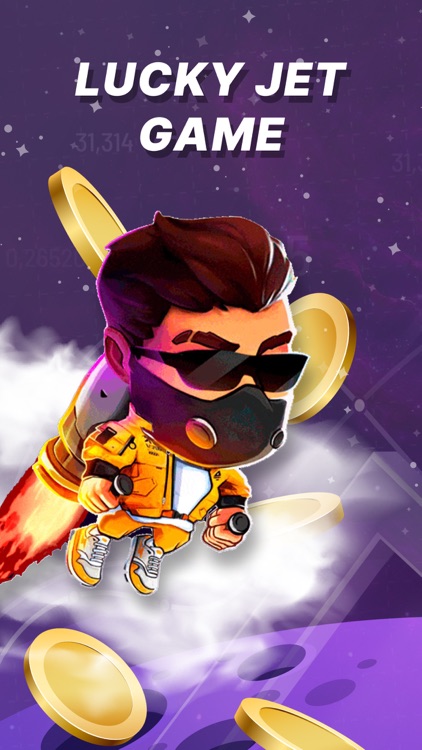
There’s something emerging in online gaming, a shift you can feel in communities and chat logs. Players aren’t just interacting with games like Lucky Jet Game Non-Stop Customer Support; they’re developing real attachments. For many in the UK, this isn’t about the bet alone. It’s about the tale of a session, the friends made in a chat room, and the distinct thrill that comes from a game that feels a mix of chance and choice. People are shaping their own legends around gameplay, sharing tactics, and riding out the wins and losses together. What might look like a simple game of timing has become, for a loyal crowd, a significant piece of their social world.
The mindset of engagement in contemporary gaming
So where does this draw stem from? The workings of Lucky Jet draw directly into a core human reflex to random rewards. Not knowing how much the jet will go generates a true physical sensation of anticipation. The player is not a bystander. They must make the conscious decision to cash out. That choice—to take a minor gain or gamble for more—is the core of it all. It blends hope, nerves, and anticipation into a single moment. Because you are the one who presses the button, the memory sticks. You are responsible for the outcome, win or lose, which makes each round a unique moment.
The reinforcement cycle is also essential. The clear visual of the rocket climbing, accompanied by its growing noise, provides a tangible form to an theoretical growing value. It feels real. And the rapidity of a round, often over in a few dozen seconds, compresses a whole roller coaster of emotions into a few seconds. You transition from excitement to satisfaction (or frustration) in a flash. That rapid sequence is engaging. It logically guides to thinking, ‘Maybe just one more go.’ The design is intentional. It feels straightforward to begin, but the psychological burden of that cash-out decision is constantly significant, holding players’ attention.
Establishing a Group Surrounding the Jet
That type of bond rarely forms by itself. It’s fueled by others. In games like Lucky Jet, active communities have sprung up. Users congregate in instant chats, in forums, and in specialized social media groups. Players post screenshots of their triumphant payouts and painful close calls. Users trade tips and swap a bit of good-natured teasing. This social layer changes everything. A lone endeavor turns into a collective one. In the UK, with its established culture of tavern humor and collective socialising, this online rendition appears customary. It provides fellowship and a feeling of community, right from your home sofa.
These groups create their own subculture and lingo. Sayings like “the jet crashed early” or “I’m on a lucky streak” carry specific meaning. You’ll observe veteran players coaching newcomers, building a sense of mentorship. The involvement stops being just about your own balance. It turns into about your standing in the group, the tactics you’ve shared, and riding the wave of the community’s collective mood. The excitement is amplified because it’s communal. Frequently, it’s this social structure that converts someone from a curious tryer into a regular player.
Technical Accessibility and Layout
None of this emotional connection would be achievable without the right technology and design. Lucky Jet is usually available through a browser or a mobile app, always a few taps away. This easy access removes friction. You can enter a round during a commute or a break, letting that engagement build in spare moments. The design is deliberately simple and focused. All attention is on the jet and the multiplier, with no distracting clutter. This simplicity means the psychological tension of the climb hits you immediately, without any filter.

Reliable performance is non-negotiable. A glitchy or lagging connection breaks the spell of immersion instantly. Well-built platforms ensure the journey—the build-up, the decision, the result—flows smoothly. There’s no technical hiccup to spoil the moment. Also, having live chat and community features baked into the game interface nurtures those social bonds we talked about. Here, technology does more than deliver the game. It establishes the entire social environment, making the experience integrated, instant, and deeply engaging for an audience that expects things to just work.
Cultural Connection in the UK Market
Why does this style of game click so deeply in the UK? A lot of it comes down to cultural fit. The UK has a long, complex history with gaming and betting, commonly viewed as a normal form of leisure within a controlled system. The social heart of Lucky Jet speaks straight to the British fondness for joint experiences, whether that’s down the pub, at a bingo night, or watching the match. The game is fast, easy to follow, and gives people things to talk about. It slots perfectly into digital social spaces, acting as a collective focus for interaction much like classic games do.
British players also tend to be a practical bunch. They enjoy entertainment, but they appreciate transparency. A game like Lucky Jet, where you watch the multiplier build and decide when to act, satisfies that demand for transparency. Players here often combine enthusiastic fun with a practical eye on strategy and odds. Combine this social approach with the trust that comes from a clear regulatory framework, and you have the optimal conditions for deep emotional investment. It clarifies why the game has established such a unique niche in the UK’s digital leisure scene.
The Role of Narrative and Personal Storytelling
People are designed to tell stories, and they use this to their gaming. Every Lucky Jet session becomes a personal mini-drama. It has a beginning (placing the bet), rising action (the jet climbing), a climax (the cash-out decision), and a resolution. Players don’t just recall their score. They recount the tale of “that time I cashed out a heartbeat before the crash” or “the amazing rebound after a terrible start.” These stories turn into personal lore, shared in chats and revisited in the mind. They solidify the game’s emotional importance.
The game’s design actively encourages this narrative building. The climbing multiplier is a story of increasing risk. Players place their hopes onto that little rocket, urging it higher. Because each round is so quick, you can experience dozens of these micro-stories in one night. You build a whole library of tiny, charged moments. This constant generation of new narrative chapters renders the game sticky and memorable. You’re playing for more than the outcome. You’re playing to see what happens next in your own ongoing saga of chance and choice.
Tactical Depth and the Mirage of Control
A significant part of the draw is the feeling that skill matters. Although a random number generator controls each flight’s result, players devote intense energy to developing strategies. They analyse past rounds, discuss the optimal moment to cash out, and experiment with different betting patterns. Playing with this “meta-game” generates a potent illusion of control. It transforms the mindset totally. A victory starts to feel like a affirmation of your smart plan. A loss becomes a riddle to solve, a takeaway for next time, as opposed to just bad luck. Such an intellectual draw is strong.
That strategic aspect demands a different kind of focus. Players don’t simply reacting; they’re executing a plan. They monitor results, share notes with others online, and adjust their strategies. This resembles the interest people find in card games or even casual sports trading—it’s a test of your own decision-making. The mental satisfaction is linked to more than money. It’s about the gratification of seeing your plan pay off. When you cash out at a multiplier you anticipated and it succeeds, the rush is intellectual as much as financial. That deepens the attachment to the game considerably.
Conscious Participation and Long-lasting Pleasure
Understanding what makes these games appealing also means speaking openly about playing safely. The very things that generate the fun—fast rounds, community buzz, the thrill of risk—must be controlled with a clear head. The most beneficial method treats the emotional and social benefits as the main reward. Any financial element should stay firmly within the bounds of affordable entertainment. Defining limits on time and money before you start isn’t a killjoy rule. It’s what makes the fun enduring. It preserves the experience from becoming a source of stress, keeping it as a positive part of your downtime.
It is logical to use the tools that licensed platforms provide. Deposit limits, time-outs, and self-exclusion options are there for a reason. They are effective measures, not admissions of failure. They allow you to define your own engagement. By consciously separating the enjoyable rush of the game’s story from the potential strain of loss, you forge a better relationship with it. The goal is to keep the excitement, the strategy, and the camaraderie, while removing the pressure. That way, the emotional investment enhances your life instead of complicating it.
The Coming Age of Emotional Game Design
The engagement we see with Lucky Jet suggests the direction online casual gaming is headed next. We will likely experience more personalisation, with games gently adapting to a player’s behaviors to build a more personalized story. Social features will grow more impactful, perhaps going beyond text chat to offer collaborative visual spaces or team modes. Designers will improve in understanding the emotional rhythms—the peaks of excitement and joy—and use that knowledge responsibly to foster enjoyment, not reliance.
Future development will likely bring more powerful community tools directly within the game client. Think integrated narrative feeds, guilds, or team challenges. The lines between an online game, a social platform, and a narrative experience will continue fading. For the player, this signals a future where emotional commitment is recognized and fostered through game design that emphasizes long-term, healthy engagement over short bursts of intensity. The aim will be to craft virtual communities that are increasingly captivating, where chance, skill, and social interaction come together to deliver a type of entertainment that comes across as truly personal.